
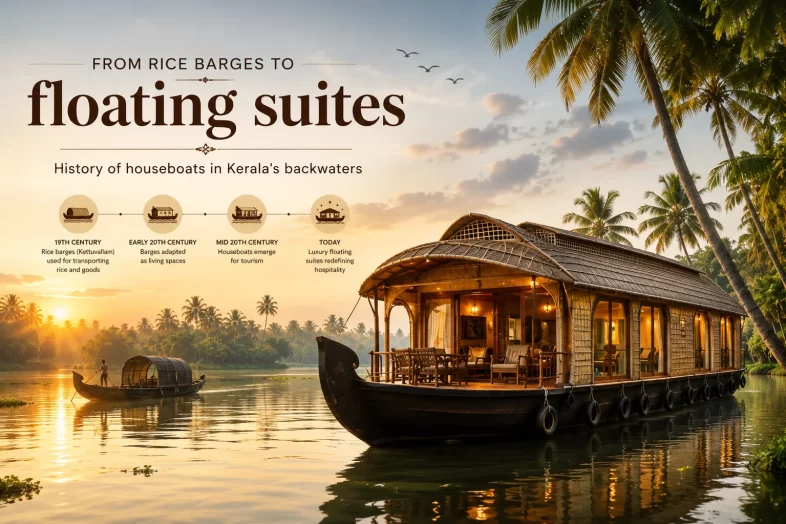
One of the most well-known sights in Kerala is the serene houseboats cruising through the backwaters, and yeah, it really is a sight. Thousands of tourists choose these floating retreats each year to soak up the splendor of the canals, especially around Alappuzha.
But Kerala’s houseboats didn’t start out as airy, air-conditioned suites with sunset cruises and all. Even earlier, they were hardworking cargo ships, traveling the wide network of lakes and canal routes to move lumber, rice, and spices. And then, somehow, the shift happened, from plain transport boats into opulent floating mansions. It’s the sort of story that mixes survival, and cultural heritage, with a bit of stubborn charm in it too.
Discover how the traditional Kettuvallam turned into one of Kerala’s most iconic tourist destinations as we step into the history of houseboats.
The legend of the Kettuvallam
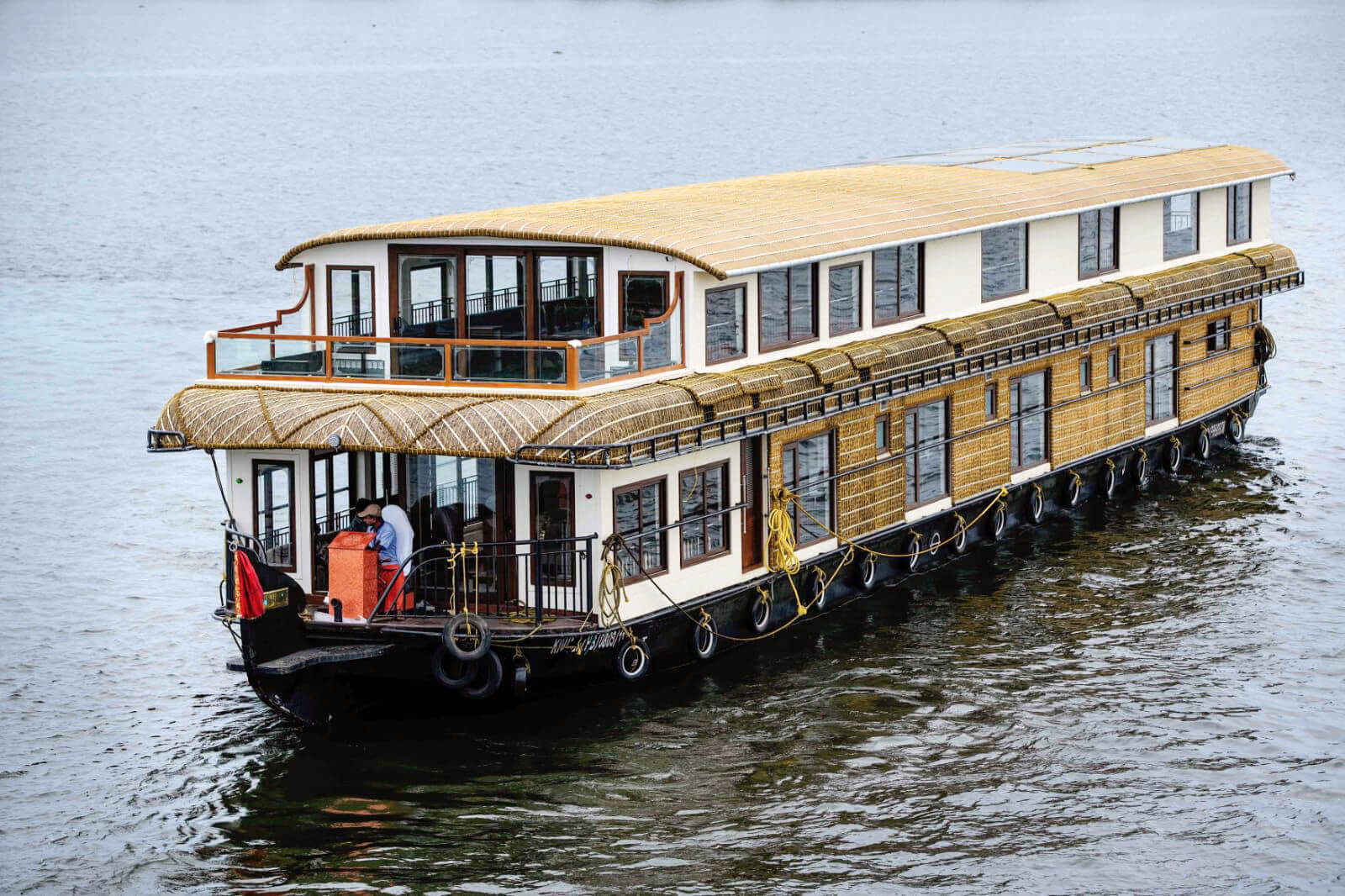
The Kettuvallam, a historic cargo boat said to be the base of Kerala’s waterway civilization, is also where Kerala houseboats sort of began.
Kettu, meaning “to tie,” and Vallam, meaning “boat,” are the two Malayalam pieces behind the word Kettuvallam. The whole idea of the name comes from the unusual build method, where wooden boards were tied together rather than nailed, like a careful lacing of timber. In a way, these boats worked the same as modern freight trucks centuries ago.
The birth of a new concept: from cargo to comfort
The Kettuvallam function slowly started to drift as Kerala grew and developed. There is a famous story, sort of told everywhere, that a British tourist advised putting a bamboo cover on the boats so they could be sheltered from that fierce sun. Even if the tale is now kind of woven into local tradition, it still shows how these watercraft gradually became floating living spaces.
The real turning point came in the late 1980s and early 1990s. At that time, local shop owners, plus tourism officials, noticed a chance when Kerala’s tourism industry began to take off, and everything sort of rolled from there. Instead of allowing old cargo boats to disappear, they redesigned them for leisure travel.
Large storage areas were converted into bedrooms. Bamboo roofs became comfortable living spaces. Traditional wooden boats were transformed into floating homes where visitors could spend an entire day—or even several nights—exploring the Kerala backwaters.
Life on the water: more than just a boat
Long before tourists arrived, Kettuvallams were already functioning as floating homes.
Boatmen often moved through Kerala’s canals for days straight, like a nonstop kind of thing. The crew handled meals; they slept on the boat, and sometimes, on long stretches, even their families stayed along, because the trip could last several days.
The layout of the boat was made with practicality, not pretty theory. The top area was basically for living , resting, and protecting valuable cargo, while the lower section was mostly for cooking, plus storing supplies.
Along the route, they gathered fresh local ingredients and cooked with them right away. The crew’s go-to traditional Kerala dishes were fresh fish, rice, coconut, and whatever seasonal veggies happened to be around.
Ancient engineering that still impresses today
The craft behind making houseboats is one of the most amazing parts of their history. With the classic Kettuvallams, a single nail wasn’t used in the build. Instead, large wooden planks, from jackwood or Anjili wood, were carefully paired together by skilled carpenters.
The boards were then tied into place using sturdy coir ropes made from coconut fiber, so they’d hold properly. These boats stayed strong and steady because their whole build was flexible; it let the structure sway with the water, almost naturally.
To guard the wood from moisture, builders went ahead and applied this natural waterproofing layer, made by boiling cashew nut shells into a thick black resin.
These centuries-old construction ways keep on inspiring modern eco-friendly houseboats too, in a very real sense.
The changing tide: when cargo boats disappeared
By the middle of the twentieth century, Kerala’s transport system began changing rapidly. Roads expanded. Railways connected major towns. Bridges sort of replaced the ferry routes. Trucks then became faster, cheaper, and could carry goods directly to the markets; there was no need to really depend on waterways, which meant the water-based trade basically declined pretty sharply.
A lot of traditional Kettuvallams got left behind, not because people hated them, but more because they weren’t economically useful anymore. Some were just left unused along the canals, sort of waiting, while others slowly decayed and deteriorated over time.
A phoenix from the reeds: tourism saved the Kettuvallam
Luckily, the Kettuvallam evolution didn’t stop there, not really.
When Kerala started getting wider international recognition as God’s Own Country, people traveling from elsewhere started showing up more and more, looking for something more real.
The boats began moving visitors, those people who wanted to get a taste of the serene loveliness of Kerala’s backwaters.
And in the end, this sort of change didn’t just help keep a vital piece of Kerala’s cultural heritage intact; it also became some new corridors for local communities to earn and grow.
People started calling it globally notable when National Geographic picked the Alappuzha’s backwater cruises and put it among the world’s unforgettable travel experiences, which in turn boosted Kerala’s reputation as a true must-visit destination.
The modern era: luxury floating suites in Alappuzha
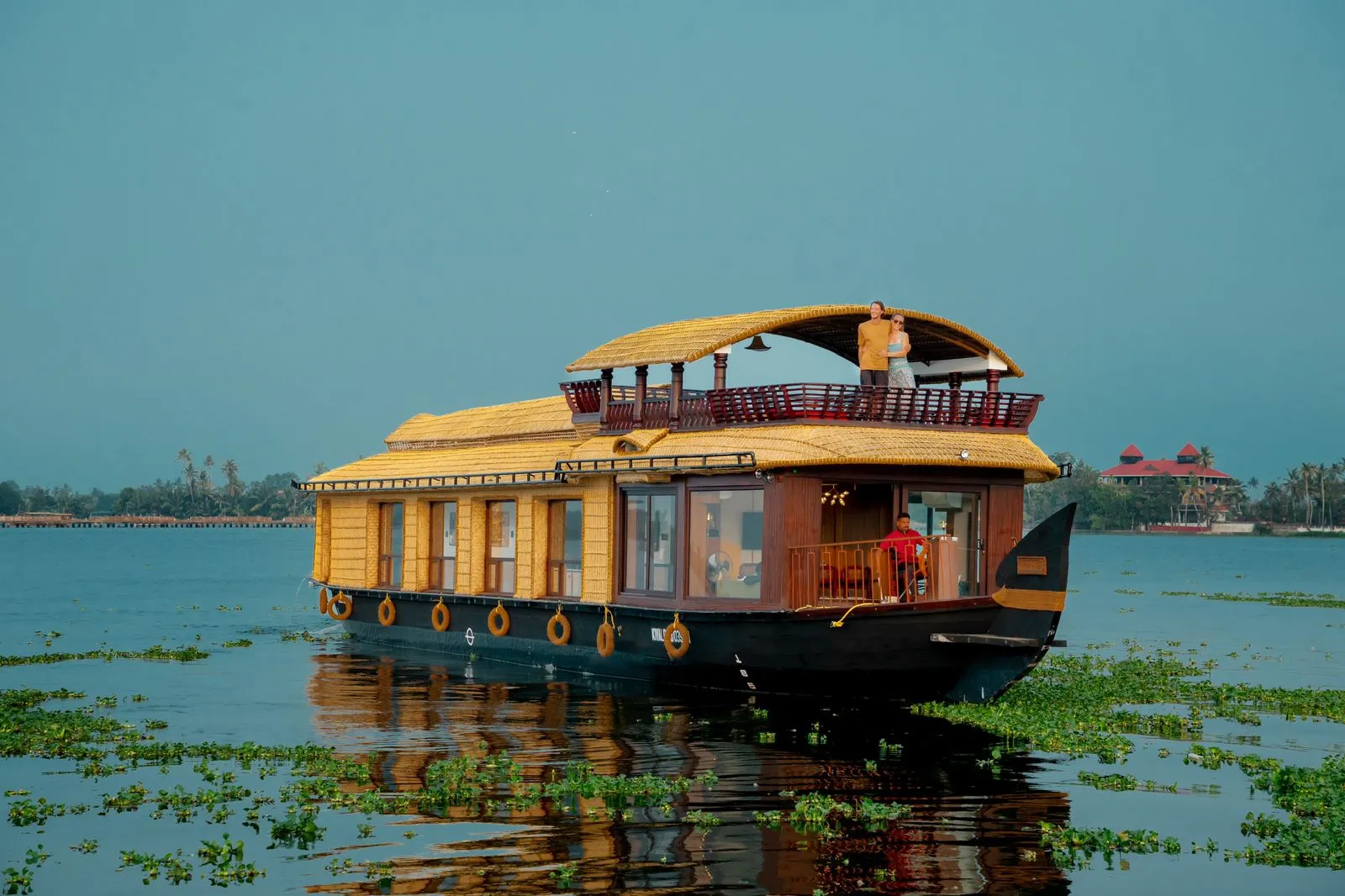
Today’s houseboats are like a pretty nice mix of tradition and modern comfort. Many luxury houseboats in Alappuzha now come with beautifully planned bedrooms , air-conditioned suites, bathrooms attached, private balconies and roomy dining spaces, plus Wi-Fi and sometimes even jacuzzis on the premium vessels.
Guests can savor freshly cooked Kerala meals, while village life keeps unfolding along the backwaters, slowly.
At the same time , responsible operators are trying to safeguard this delicate ecosystem. More and more modern houseboats use bio toilets , solar energy, better waste management systems, and other eco-friendly habits, so the impact on the backwaters stays small. That mix of legacy and sustainability helps ensure that future visitors can still enjoy Kerala’s unique waterways.
Experience Living History with Boats N Beds
Understanding the origin of Kerala houseboats makes every backwater journey even more meaningful.
Boats N Beds provides its guests with an experience beyond accommodation, as it provides them with an experience beyond time. Boats N Beds has been providing tourists with experiences in the backwaters of Alappuzha on handpicked deluxe, premium, luxury, and ultra-luxury houseboats.
Each boat has been certified and licensed to ensure that the boat booked by the guest will be delivered without any surprises at the end. If you are looking for a romantic trip, family holiday, or even a solo trip to Punnamada, Boats N Beds can offer you all of that.
FAQs
Kerala houseboats sort of have their origins in older boats called Kettuvallams; those were used for moving rice, spices, and even timber along the backwaters, and later they got adjusted into tourist lodges in the late 1980s and early 1990s as well.
In the Malayalam language, a tied boat is known as Kettuvallam, and the name is derived from its unique structure that uses coir rope instead of nails to tie up the wooden planks.
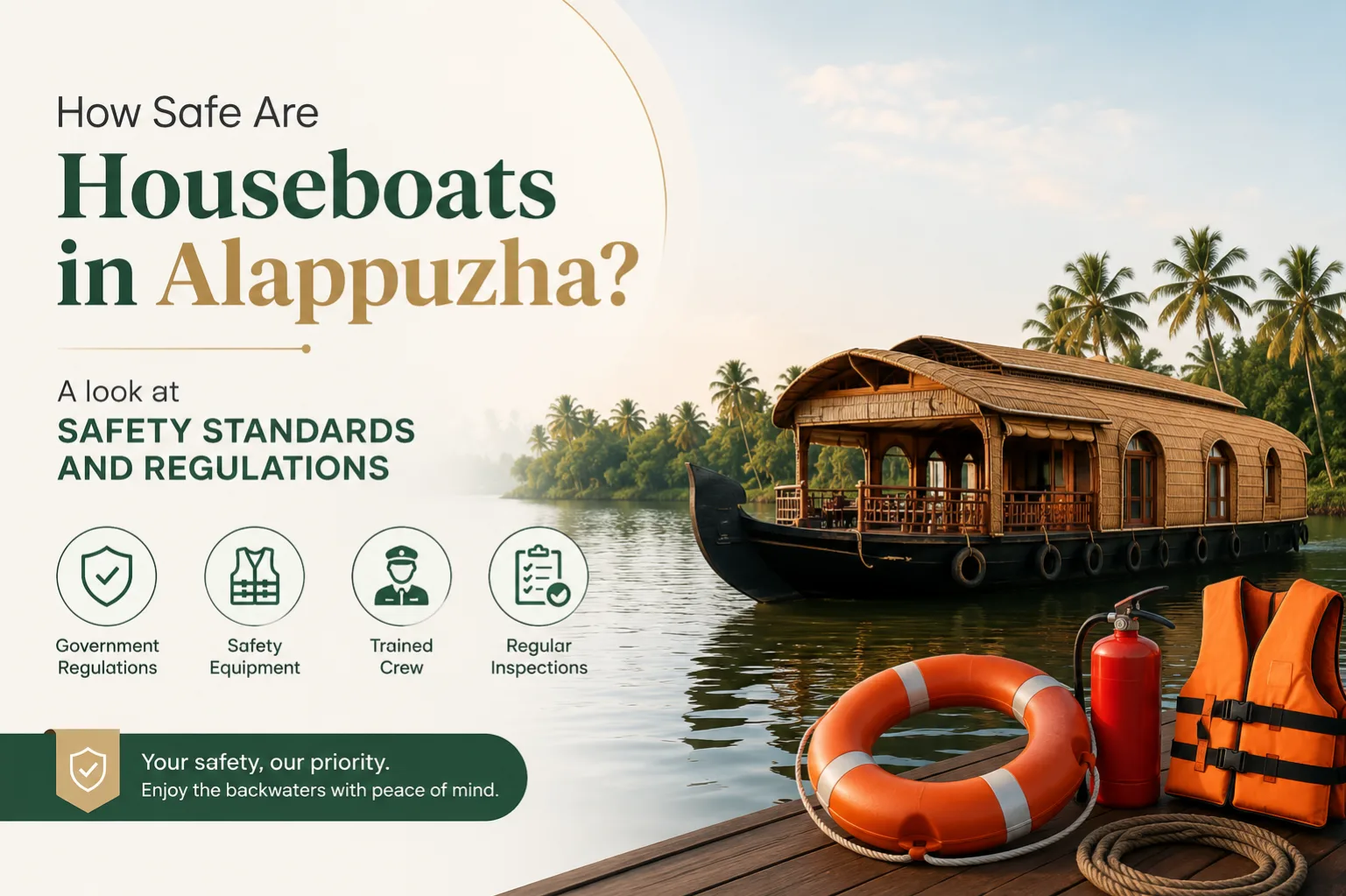
Yes. Licensed houseboats generally follow the relevant safety standards, and they come with the essential safety gear, so they feel quite safe for everyone .
Houseboat prices generally range between ₹8,000 and ₹55,000 per night, depending on the category, amenities, season, and number of bedrooms.
The most popular season is from October to March, when the weather is pleasant. Booking early is recommended during holidays and peak tourist months.
Conclusion
Kerala’s houseboat is far more than just a tourist attraction. It’s really a striking example of how tradition can keep adapting without losing itself.
From lugging heavy loads across the waterways of Kuttanad to greeting travelers from everywhere, the Kettuvallam has made it through changing times.
Now, each houseboat cruise across Alappuzha’s backwaters feels like a pass through centuries of history. You get a rare chance to absorb Kerala’s cultural heritage while also staying comfy with modern conveniences, on one of India’s most singular floating stays.


Add Comment